

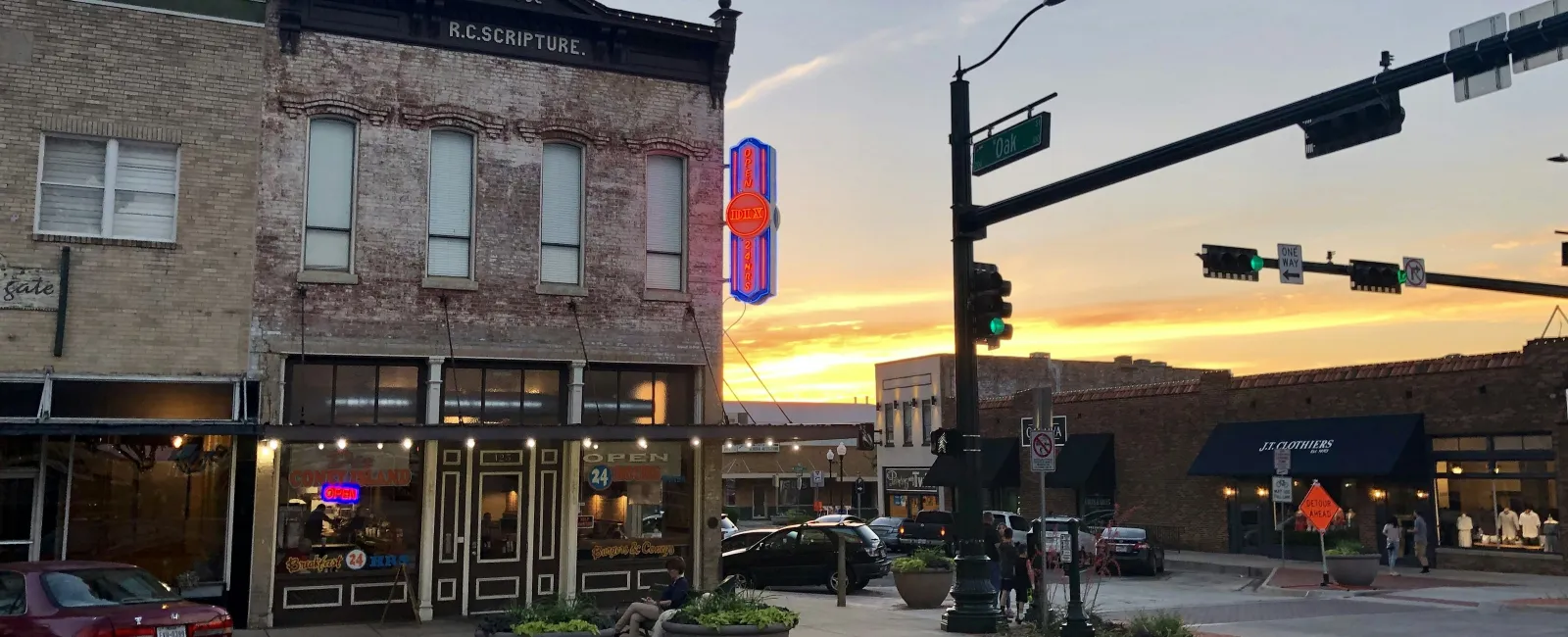
How We Help Towns and Municipalities Modernize Safely
Town government has a big job. They're expected to deliver always
on e-government services, protect sensitive resident data, keep public safety
systems running, and do it all inside a tight, transparent budget. In the Upper
Valley, many municipalities manage multisite networks, such as town hall,
police and fire, public works, transfer stations, and libraries, all connected
over a modest broadband. That's exactly where All-Access Infotech does our best
work.
We're a veteran owned, Upper Valley based IT partner with CISSPled cybersecurity leadership and decades of hands-on experience supporting public sector cyber environments. Our approach is business first and municipal ready: we standardize what should be standard, harden what must be secure, and plan upgrades in phases so you can modernize without disruption.
Why Modernization Matters for Local Government
Modernization isn't just about new hardware. It's about:
- Resident
experience: Simple online forms, reliable bill pay, and consistent
communications reduce call volume and in person visits.
- Operational
continuity: Weather events, cyber incidents, and equipment failures
shouldn't halt payroll, permitting, or emergency response.
- Risk
reduction: Baseline controls like MFA, EDR, patching, and backup
testing lower the chance that routine attacks become major outages.
- Insurance and compliance readiness: Carriers and state guidance increasingly expect practical controls, written policies, and evidence of testing. Municipalities that meet these expectations get better outcomes when it counts.
Practical Strategies That Work in the Upper Valley
Standardize first, then scale.
We establish golden configurations for switches, firewalls, and Wi‑Fi; build a
hardware lifecycle; and roll out the same security baseline (MFA, EDR,
patching, backups) to every building. Fewer exceptions mean faster support and
predictable results.
Design for imperfect connectivity.
Rural broadband can be variable. We use redundant links where possible, apply
traffic shaping and QoS for critical systems, and ensure cloud services can
tolerate brief interruptions.
Expect phishing and payment fraud attempts.
Email remains the primary entry point for municipal losses. We enforce payment
change verification procedures, strengthen email security, and train staff with
short, practical sessions.
Treat backups like life safety.
We maintain encrypted, versioned backups with routine, documented restore
tests. If something goes wrong, recovery should be measured in hours, not
weeks.
Document what matters.
Straightforward policies, such
as acceptable use, passwords, incident response, and vendor payment
verification, create clarity for employees and volunteers, and make insurance
renewals smoother.
Coordinate with public safety.
We align IT changes
with police, fire, and EMS needs, recognizing the implications of CJIS‑related
workflows and after‑hours response requirements.
Cyber Snapshot for Municipalities
- Record
losses: The FBI's 2024 Internet Crime Report logged 859,000+
complaints and $16.6B in reported losses, up about 33% year over
year. For town leaders, that translates to higher exposure to email
fraud, payment diversion, and extortion attempts.
- Government
targets: Independent analyses tracked 117 U.S. governments and
agencies impacted by cyber attacks and ransomware in 2024 (up from 95 in 2023). Expect
both encryption and data theft extortion, and plan for rapid
isolation and clean restores.
- Ransomware's
footprint: Verizon's 2025 DBIR links ransomware to roughly three
quarters of system intrusion breaches, and it appears in about three
in ten breaches overall, reinforcing the value of patching, MFA, and
EDR.
- No
cost help for SLTT: State, local, tribal, and territorial governments
can access no cost services such as CISA external scanning/testing
and the MSISAC Malicious Domain Blocking & Reporting (MDBR) control.
These provide quick, high impact risk reduction.
- Grant
funding exists: The State and Local Cybersecurity Grant Program
(SLCGP) continues to allocate funds to states and territories, useful
for phased modernization.
- Connectivity reality: Rural broadband variability makes redundancy, traffic prioritization (QoS), and offline capable workflows essential to keep e-government services available.
What You Can Expect When You Partner With Us
- Local
engineers who understand municipal realities. We support multi‑site
operations across the Upper Valley, with response plans that respect
meeting schedules and after‑hours needs.
- Clear,
phased roadmaps. We scope improvements into practical stages that
match grants and budget cycles.
- Security
by default. MFA, EDR, email security, patching, and tested backups are
the baseline, not add‑ons.
- Ontime, on- budget delivery with a satisfaction guarantee. We communicate in plain English and measure success by your outcomes—fewer outages, faster service, and confident leadership.
FAQ: Straight Answers for Town Leaders
Can we modernize without replacing everything at once?
Yes. We phase projects to fit budgets and grants, tackling high impact
reliability and security work first, then layering modern services on a stable
foundation.
How do you handle public safety and CJIS adjacent
workflows?
We coordinate closely with police and fire leadership, segment networks
appropriately, and follow practical least privilege and audit friendly
practices. We design with after-hours realities in mind.
What if our broadband is limited?
We plan for it. Redundancy where possible, bandwidth prioritization for mission
critical systems, and designs that tolerate brief interruptions keep services
usable.
What makes All-Access Infotech different for
municipalities?
Local engineers, CISSPled oversight, standardized playbooks for multisite
environments, and an on time, on budget approach backed by a satisfaction
guarantee.
Click Here or give us a call at (802) 331-1900 to Schedule A 15-Minute Discovery Call