

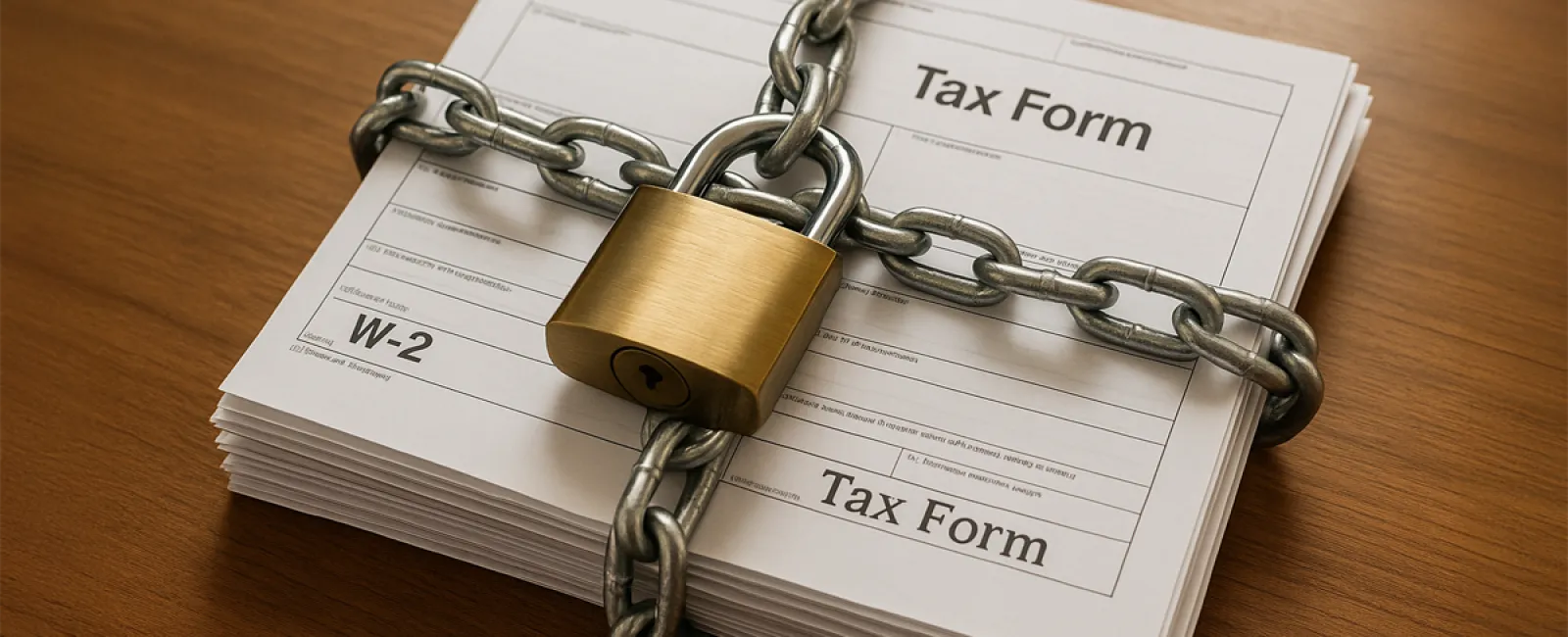
February marks the peak of tax season.
Your accountant's schedule is packed.
Your bookkeeper is scrambling for documents.
Amid all the buzz about W-2s, 1099s, and looming deadlines, there's a hidden threat looming that's often overlooked.
The biggest tax season challenge often isn't paperwork—it's a crafty scam.
One particularly sneaky scam strikes early—before April arrives—because it feels plausible and targets small businesses directly. It could already be lurking in someone's inbox.
Understanding the W-2 Scam: The Mechanics
Here's how it unfolds:
An employee responsible for payroll or HR receives an email that appears to come from the CEO, owner, or a company executive.
The message is brief, urgent, and convincing:
"I urgently need copies of all employee W-2s for a meeting with our accountant—please send them ASAP, my day is packed."
The email's tone sounds genuine.
During tax season, such urgency seems normal, and the request is not unusual.
So your staffer sends the W-2s.
But here's the catch: the email never came from your CEO.
It was a criminal using a spoofed address or a deceptive domain.
Now, the scammer has obtained every employee's:
• Full legal name
• Social Security number
• Home address
• Salary details
All the critical data needed to commit identity theft and file fraudulent tax returns ahead of your employees.
The Aftermath: What to Expect
Typically, victims discover the scam when:
An employee files their tax return only to have it rejected with a message: "Return already filed for this Social Security number."
It turns out someone else has already filed using their identity and claimed the refund.
Now, your employee must navigate IRS complications, credit monitoring, identity protection, and months of paperwork—all because of a fraudulent email.
Multiply this scenario across your entire payroll, and envision the challenge of explaining that this information breach happened due to a simple email scam.
This isn't just a breach; it's a crisis of trust, an HR nightmare, a legal risk, and a serious threat to your company's reputation.
Why This Scam Is So Effective
This isn't a clumsy phishing attempt from a foreign prince.
It's a sophisticated trick because:
The timing is perfect—W-2 requests are normal in February, so no one questions it.
The request makes sense—it's not an outrageous demand like wiring money or buying gift cards.
The urgency seems natural—"I'm swamped today; please send this quickly" doesn't raise alarms.
The sender appears legitimate—criminals research their targets thoroughly, mimicking CEO or accountant names, domains, and styles.
Employees want to help, especially when the request seems to come from the boss. This undermines caution.
Practical Steps to Shield Your Business
The silver lining: you can stop this scam before it happens with straightforward policies and a vigilant culture.
Implement a strict "No W-2s via email" policy. No exceptions.
Sensitive payroll documents must never leave your premises through email attachments.
If someone requests them via email—decline, even if it appears to be the CEO.
Always confirm sensitive requests through a separate channel:
Make a phone call, chat, or verify in person.
Use a trusted number or method, not the contact info in the suspicious email.
This quick step can prevent lengthy headaches.
Hold a brief tax-season security briefing now.
Educate your payroll and HR teams about this surge in scams.
Make awareness a priority—it's the best low-cost protection.
Secure your payroll and HR platforms with multi-factor authentication (MFA).
If credentials are compromised, MFA blocks unauthorized access.
Create a culture where verification is encouraged.
Employees who double-check dubious requests deserve praise, not suspicion.
When caution is rewarded, scammers lose their edge.
These five simple but powerful rules can be enacted immediately and will thwart the initial wave of scams.
Looking Ahead: The Bigger Tax Scam Landscape
The W-2 scam is merely the beginning.
Between now and April, expect a surge of tax-related cyber threats:
• Fraudulent IRS notices demanding urgent payments
• Phishing emails disguised as tax software updates
• Spoofed messages appearing to come from your accountant with malicious links
• Fake tax expense invoices designed to steal money
Tax season is a golden opportunity for criminals because everyone is busy, rushing, and financial requests seem routine.
Businesses that navigate tax season smoothly aren't just lucky—they are equipped with strong policies, ongoing training, and systems designed to detect threats early.
Is Your Business Prepared?
If your company already has robust policies and a vigilant team, you're ahead of many small businesses.
If not, now is the critical moment—not after the first breach.
For businesses seeking help, book a quick 15-minute Tax Season Security Check.
We'll cover:
• Payroll and HR access security including MFA
• W-2 verification protocols
• Email defenses against spoofing attacks
• One essential policy adjustment many businesses overlook
If this doesn't describe your business, share this critical information with someone who might benefit. It could save them from costly troubles.
Click here or give us a call at (802) 331-1900 to schedule your free Discovery Call.
Because tax season stress is tough enough—don't let identity theft make it worse.