

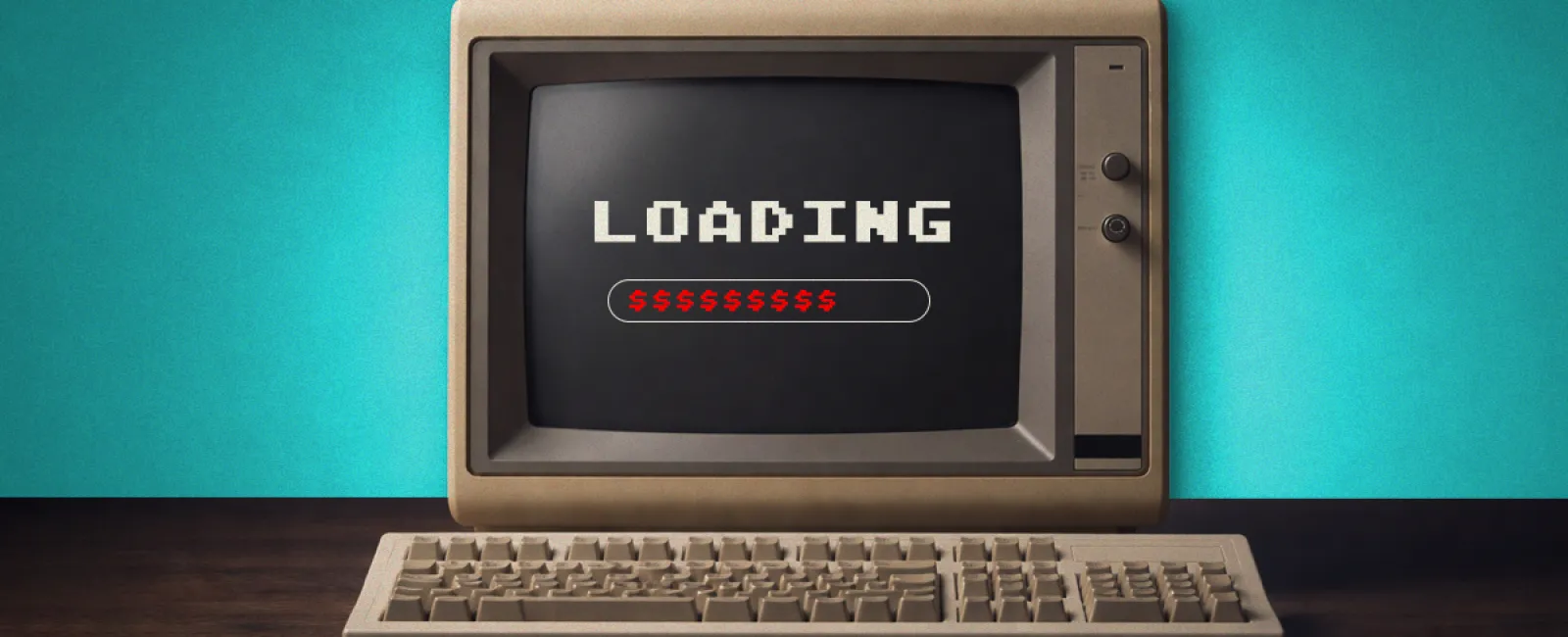
Many businesses keep outdated technology around the way you hold onto a favorite item that's worn out, familiar, and still technically usable—even when it's clearly past its best days.
It shows up in small moments: an email that takes far too long to send, a screen that freezes when you click save, or a system that seems to hesitate every time you need it most.
It's easy to ignore because the problems aren't always dramatic. You work around them, push through, and assume the cost is minor.
In reality, those everyday annoyances can drain far more from your budget than you realize month after month.
When outdated technology starts becoming expensive
Keeping older systems may feel like the smart, budget-conscious move. If something still turns on, it can seem easier to leave it alone.
But aging technology doesn't stay neutral. Over time, it begins creating hidden expenses that are easy to miss at first.
Energy usage is one of the biggest examples. Older equipment often works harder to do less, pulling more power, producing more heat, and placing additional strain on the systems around it—especially when temperatures rise. Newer technology is designed for efficiency, using less energy while delivering better performance, which helps reduce operating costs over time.
There's also the productivity loss. What used to take seconds now takes minutes. Applications lag, files open slowly, and minor delays become part of the routine. Work still gets done, but it takes longer, and those minutes quickly add up.
Then come the interruptions. Freezes, disconnects, forced restarts, and quick fixes begin to feel normal. Each one may seem small, but every interruption breaks concentration and slows momentum.
When you add it all together—higher utility bills, lost time, and repeated disruptions—the "savings" of keeping outdated technology become much harder to defend.
What changes when you stop paying for inefficiency
Once the recurring issues are addressed and the right systems are upgraded, the improvement is immediate and obvious.
- Systems start reliably without delays or extra attempts
- Temporary fixes and restart cycles stop interrupting the workday
- Your team spends more time producing results and less time waiting on technology
- Energy consumption drops as more efficient systems take over
- Costs tied to downtime and inefficiency begin to decline
The result is a smoother workday, a more focused team, and less money wasted keeping aging systems barely operational.
Is it time to upgrade?
If your systems are slow, problems keep resurfacing, or your team has learned to work around the technology instead of with it, you're already paying for the issue.
The real question is how much longer you want to keep paying.
This type of problem doesn't resolve itself. It continues to drain time, increase costs, and create interruptions that never fully disappear.
That's where we help.
As your IT partner, we do more than solve technical problems. We help you stop overspending on technology that isn't delivering its share of value.
- We pinpoint which systems are costing you the most
- We help determine what should be replaced now and what can wait
- We recommend practical, efficient upgrades based on your needs
- We manage the transition so your team stays productive
- We keep everything maintained so you don't end up back in the same spot
Instead of guessing, you'll have a clear strategy and technology that actually supports your business.
Click here or give us a call at (802) 331-1900 to schedule your free Discovery Call.
We'll show you what's driving unnecessary costs and what's truly worth fixing or replacing now.
If you know someone dealing with slow systems and recurring tech problems, send this their way. They may be paying for the same hidden issues right now.